- What Is a Sitemap?
- Why Sitemaps Matter for SEO
- Faster Discovery of New Content
- Better Crawling for Large Websites
- Support for Weakly Linked Pages
- Improved Indexation Signals
- SEO Sitemap Guide: What to Include
- Include Only Important, Indexable Pages
- Exclude Low-Value or Duplicate Pages
- Best Practices for Creating an Effective Sitemap
- Keep It Updated
- Use Canonical URLs
- Make Sure URLs Return 200 Status Codes
- Keep It Clean and Focused
- Split Large Sitemaps When Needed
- Common Sitemap Mistakes to Avoid
- Including Noindex Pages
- Listing Redirected URLs
- Forgetting Image and Video Content
- Neglecting Mobile and International Setup
- How to Submit Your Sitemap
- Submit Through Google Search Console
- Add It to robots.txt
- How Sitemaps Fit Into a Bigger SEO Strategy
- SEO Sitemap Guide for Ongoing Maintenance
- Final Thoughts
SEO Sitemap Guide: Must-Have Tips for Better Rankings
seo sitemap guide essentials start with understanding one simple truth: search engines need help discovering, understanding, and prioritizing your content. A sitemap acts like a roadmap for your website, pointing crawlers toward your most important pages and making it easier for them to index updates efficiently. While a sitemap alone will not guarantee top rankings, it plays a major role in strengthening your technical SEO foundation and improving your site’s visibility in search.
Whether you run a blog, an ecommerce store, or a company website, building and maintaining a proper sitemap can make a noticeable difference. Below, you’ll learn what a sitemap is, why it matters, and how to optimize it for better search performance.
What Is a Sitemap?
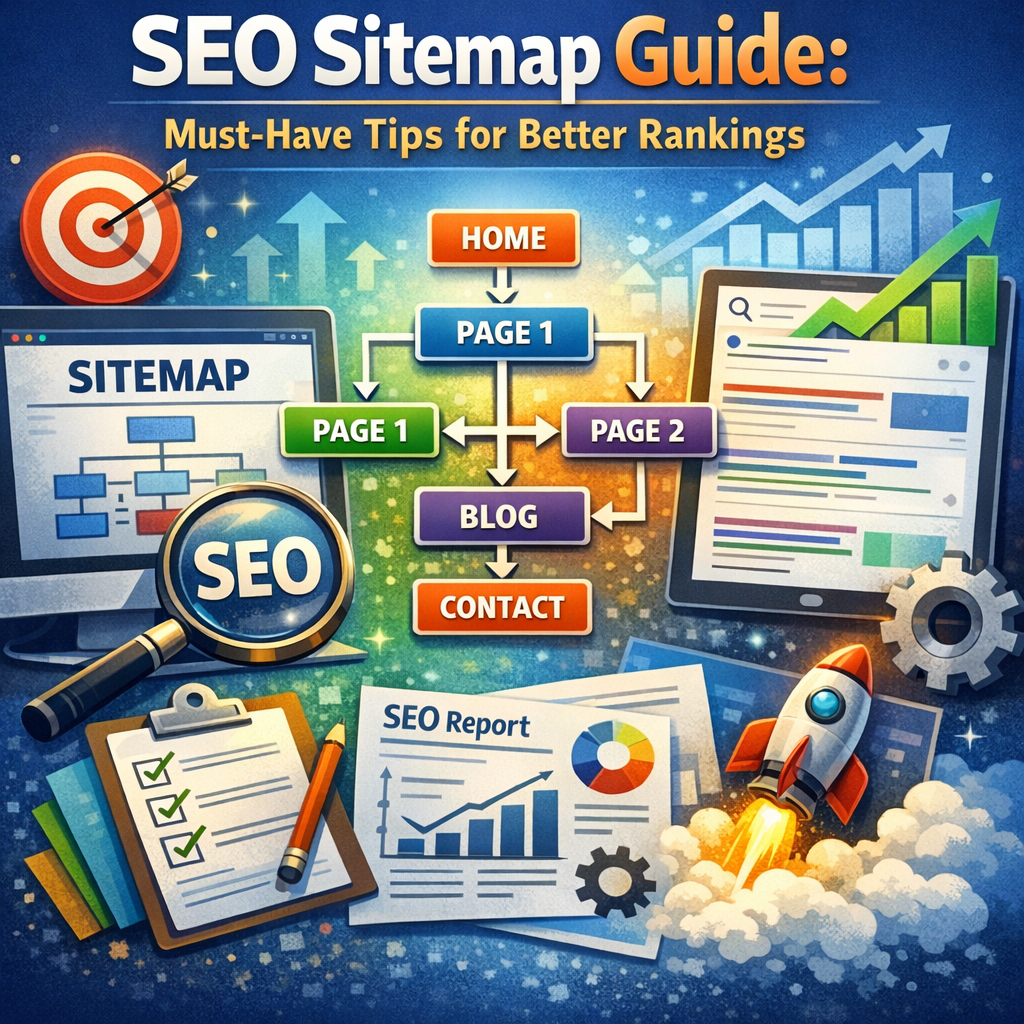
A sitemap is a file that lists the key URLs on your site so search engines can crawl them more intelligently. The most common type for SEO is the XML sitemap, which is designed specifically for search engines rather than human visitors.
There is also an HTML sitemap, which is built for users and can help them navigate large sites. However, when people discuss SEO improvements, they are usually referring to XML sitemaps.
A sitemap can include useful details such as:
– Page URLs
– Last modified dates
– Update frequency
– Priority levels
These details give search engines extra clues about which content matters most and how often it changes.
Why Sitemaps Matter for SEO
A sitemap supports crawling and indexing, which are necessary before a page can rank in search results. If search engines cannot find or properly understand your content, even the best-written page may never perform well.
Here are some key reasons sitemaps matter:
Faster Discovery of New Content
When you publish a new page, a sitemap can help search engines find it sooner. This is especially useful for fresh blog posts, product pages, landing pages, and recently updated content.
Better Crawling for Large Websites
Large websites often have hundreds or thousands of pages. A sitemap helps search engine bots navigate these pages more efficiently, especially if your internal linking is not perfect.
Support for Weakly Linked Pages
Some pages may not be easy to reach through internal links alone. A sitemap gives those pages another path to discovery.
Improved Indexation Signals
A clean and updated sitemap can signal that your site is well maintained. This does not directly boost rankings on its own, but it improves the technical conditions needed for strong SEO performance.
SEO Sitemap Guide: What to Include
A strong seo sitemap guide always begins with knowing what belongs in your sitemap and what does not. Including the right URLs is critical.
Include Only Important, Indexable Pages
Your sitemap should feature pages that you want search engines to index and rank. These often include:
– Homepage
– Category pages
– Product or service pages
– Blog posts
– Important landing pages
– Core informational pages
Exclude Low-Value or Duplicate Pages
Do not include pages that offer little SEO value or should not appear in search results, such as:
– Admin pages
– Login pages
– Cart and checkout pages
– Duplicate URLs
– Filtered or parameter-heavy pages
– Noindex pages
Adding too many low-value URLs can dilute the quality of your sitemap and waste crawl budget.
Best Practices for Creating an Effective Sitemap
To get the most from your sitemap, follow these practical tips.
Keep It Updated
Your sitemap should reflect your current website structure. If pages are added, removed, redirected, or updated, your sitemap should change too. Many CMS platforms and SEO plugins can automate this process.
Use Canonical URLs
Only include the preferred version of each page. If you have duplicate or similar URLs, use canonical tags properly and list only the canonical version in the sitemap.
Make Sure URLs Return 200 Status Codes
A sitemap should not contain broken pages, redirects, or error URLs. Every listed page should load properly and return a 200 OK status.
Keep It Clean and Focused
A sitemap is not a dump of every page on your site. It should be curated to include pages that matter. The cleaner it is, the more useful it becomes for search engines.
Split Large Sitemaps When Needed
XML sitemaps have size limits. If your website is large, divide your sitemap into multiple files and use a sitemap index file to organize them. This is common for ecommerce sites, news websites, and large content publishers.
Common Sitemap Mistakes to Avoid
Even websites with solid SEO strategies sometimes make sitemap errors that reduce effectiveness.
Including Noindex Pages
If a page is marked noindex, it should not be in your sitemap. Sending mixed signals confuses search engines.
Listing Redirected URLs
Redirects are useful for users, but your sitemap should contain the final destination URL, not the old redirected one.
Forgetting Image and Video Content
If images and videos are important to your strategy, consider using image or video sitemap extensions. These can improve how rich media is discovered.
Neglecting Mobile and International Setup
If your site serves multiple regions or languages, your sitemap strategy should align with hreflang implementation and mobile-friendly content structures.
How to Submit Your Sitemap
Once your sitemap is ready, the next step is making sure search engines know where to find it.
Submit Through Google Search Console
Google Search Console is the easiest place to submit your XML sitemap. After verifying your site, go to the Sitemaps section and enter your sitemap URL.
This helps you:
– Confirm Google can access the file
– See how many URLs were discovered
– Monitor indexing issues
– Spot errors quickly
Add It to robots.txt
You can also include your sitemap location in your `robots.txt` file. A simple line like this works:
`Sitemap: https://www.yoursite.com/sitemap.xml`
This gives search engines another clear signal about where your sitemap is located.
How Sitemaps Fit Into a Bigger SEO Strategy
A sitemap is important, but it works best as part of a broader SEO system. It should support, not replace, other optimization efforts.
For best results, pair your sitemap with:
– Strong internal linking
– Fast page speed
– High-quality content
– Clear site architecture
– Proper canonical tags
– Mobile-friendly design
– Fixes for crawl errors and broken links
Think of the sitemap as one layer of technical SEO. It helps search engines navigate your site, but rankings still depend heavily on relevance, authority, content quality, and user experience.
SEO Sitemap Guide for Ongoing Maintenance
A practical seo sitemap guide is not just about setup. Ongoing maintenance matters just as much. Review your sitemap regularly to make sure it stays accurate and useful.
Create a simple maintenance routine:
– Check for broken or redirected URLs
– Remove outdated pages
– Confirm new pages are included
– Review Search Console for crawl issues
– Audit index coverage periodically
For active websites, monthly checks are a smart habit. For larger sites with frequent changes, weekly reviews may be more appropriate.
Final Thoughts
A well-optimized sitemap helps search engines discover the right pages, understand your site structure, and index updates more efficiently. It is not a magic fix for rankings, but it is one of the most important technical elements of a healthy website.
If you want stronger search visibility, start by making sure your sitemap is accurate, updated, and focused on your highest-value pages. When combined with solid content, strong internal linking, and technical SEO best practices, it can support better crawling, better indexing, and stronger long-term performance.