- Why an SEO Dashboard Matters
- What an SEO Dashboard Should Include
- Keyword Tracking in Your SEO Dashboard
- Organic Traffic and User Behavior
- Technical SEO Performance
- Benefits of Using an SEO Dashboard Regularly
- Who Needs an SEO Dashboard?
- How to Get the Most from Your SEO Dashboard
- Final Thoughts
SEO Dashboard: Must-Have Tool for Better Rankings
SEO dashboard tools have become essential for anyone who wants to improve search visibility without getting lost in scattered reports, spreadsheets, and disconnected data. Whether you run a blog, manage an online store, or handle digital marketing for clients, having a single place to track rankings, traffic, backlinks, and technical issues can make your work faster, smarter, and more effective.
Search engine optimization involves many moving parts. You need to monitor keyword performance, spot traffic trends, understand what content is working, and react quickly when rankings change. Trying to do all of that manually is time-consuming and often leads to missed opportunities. A well-built dashboard brings all of your most important SEO data together, giving you a clear view of what is happening and what needs attention.
Why an SEO Dashboard Matters
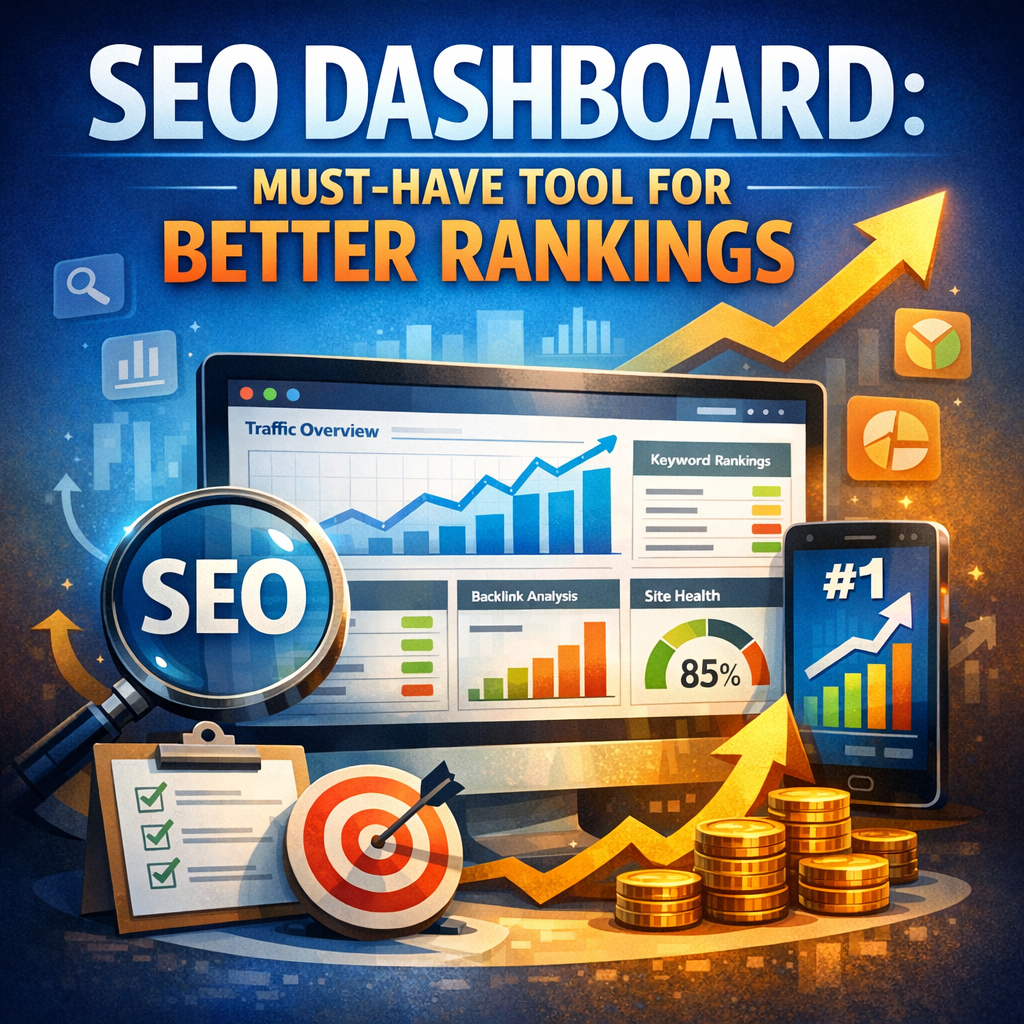
An SEO strategy is only as strong as the insights behind it. If you do not know which pages are gaining traffic, which keywords are slipping, or where technical problems are hurting performance, it becomes difficult to make smart decisions.
This is where an SEO dashboard stands out. It gives you a visual, easy-to-understand snapshot of your website’s performance. Instead of logging into several platforms to gather information, you can see your most important metrics in one place.
That matters because SEO is not just about collecting data. It is about turning data into action. A dashboard helps you:
– Track keyword rankings over time
– Measure organic traffic growth
– Identify top-performing pages
– Monitor backlinks and authority signals
– Catch indexing and technical issues early
– Compare performance across devices, locations, or time periods
With this level of visibility, you can spend less time pulling reports and more time improving results.
What an SEO Dashboard Should Include
Not all dashboards are equally useful. The best ones focus on actionable metrics rather than overwhelming you with every number available. A strong setup should include the data that directly affects rankings and organic growth.
Keyword Tracking in Your SEO Dashboard
Keyword tracking is one of the most important features. You need to know where your pages rank for your target terms and how those rankings change over time. A useful dashboard should show:
– Current ranking positions
– Ranking changes
– Top keywords by clicks and impressions
– Keywords nearing page one
– Branded vs. non-branded keyword performance
This data helps you find quick wins. For example, if a keyword is sitting in position 11 or 12, small content updates or internal link improvements could push it onto the first page.
Organic Traffic and User Behavior
Traffic is another core metric, but raw visitor numbers do not tell the full story. A good dashboard should also reveal how users behave once they arrive. Key metrics include:
– Organic sessions
– Bounce rate
– Average engagement time
– Pages per session
– Conversion rate from organic traffic
These insights help you understand whether your SEO efforts are attracting the right audience. More traffic is useful, but qualified traffic that leads to sign-ups, sales, or inquiries is what really matters.
Technical SEO Performance
Even the best content can struggle if your site has technical problems. Your dashboard should highlight issues that may affect crawling, indexing, or user experience, such as:
– Broken pages or links
– Crawl errors
– Core Web Vitals
– Mobile usability issues
– Index coverage problems
– Page speed concerns
When technical issues appear in a dashboard, they are much harder to ignore. That visibility helps teams fix problems before rankings suffer.
Benefits of Using an SEO Dashboard Regularly
A dashboard is not just a reporting tool. It can shape how you plan and execute your strategy.
First, it improves decision-making. Instead of relying on assumptions, you can prioritize tasks based on real performance data. If one category is growing quickly, you can create more related content. If another section is losing visibility, you can investigate and fix the issue.
Second, it saves time. Manual reporting often involves exporting data from multiple tools, cleaning it up, and organizing it into something readable. A dashboard automates much of that process.
Third, it makes communication easier. If you work with clients, managers, or team members, dashboards help present progress clearly. Charts and trends are easier to understand than long spreadsheets, especially for non-technical stakeholders.
Finally, it supports consistency. SEO is not a one-time task. Rankings shift, competitors update their content, and search engines change how they evaluate websites. Regular dashboard reviews help you stay proactive instead of reactive.
Who Needs an SEO Dashboard?
An SEO dashboard is valuable for more than just SEO specialists. Many different users can benefit from it:
– Business owners who want a quick overview of website performance
– Marketing teams managing content, paid campaigns, and organic growth
– Agencies reporting results to clients
– Content creators tracking which topics drive traffic
– E-commerce managers monitoring product and category page visibility
Even small websites can gain a lot from a simple dashboard. You do not need an enterprise-level setup to benefit from better visibility and smarter reporting.
How to Get the Most from Your SEO Dashboard
To make your dashboard truly useful, keep it focused and relevant. Do not add every possible metric just because it is available. Instead, align the dashboard with your goals.
If your goal is lead generation, highlight organic conversions and landing page performance. If your goal is content growth, emphasize keyword trends, impressions, and top-performing articles. If you manage an online store, include product page rankings and revenue from organic sessions.
It is also important to review the dashboard consistently. Weekly checks are useful for monitoring changes, while monthly reviews are ideal for spotting bigger trends and planning next steps.
Another smart approach is to create separate views for different audiences. An executive summary can show high-level results, while a deeper version can include detailed keyword and technical data for the SEO team.
Final Thoughts
SEO success depends on visibility, organization, and the ability to act on data quickly. Without a central reporting system, it is easy to miss ranking drops, overlook technical issues, or waste time on low-impact tasks. A dashboard brings structure to your SEO process and makes it easier to focus on what actually improves performance.
When built around the right metrics, this tool becomes more than a convenience. It becomes a guide for better decisions, stronger content strategies, and more consistent ranking growth. If improving organic performance is a priority, using a clear and reliable dashboard is one of the smartest steps you can take.